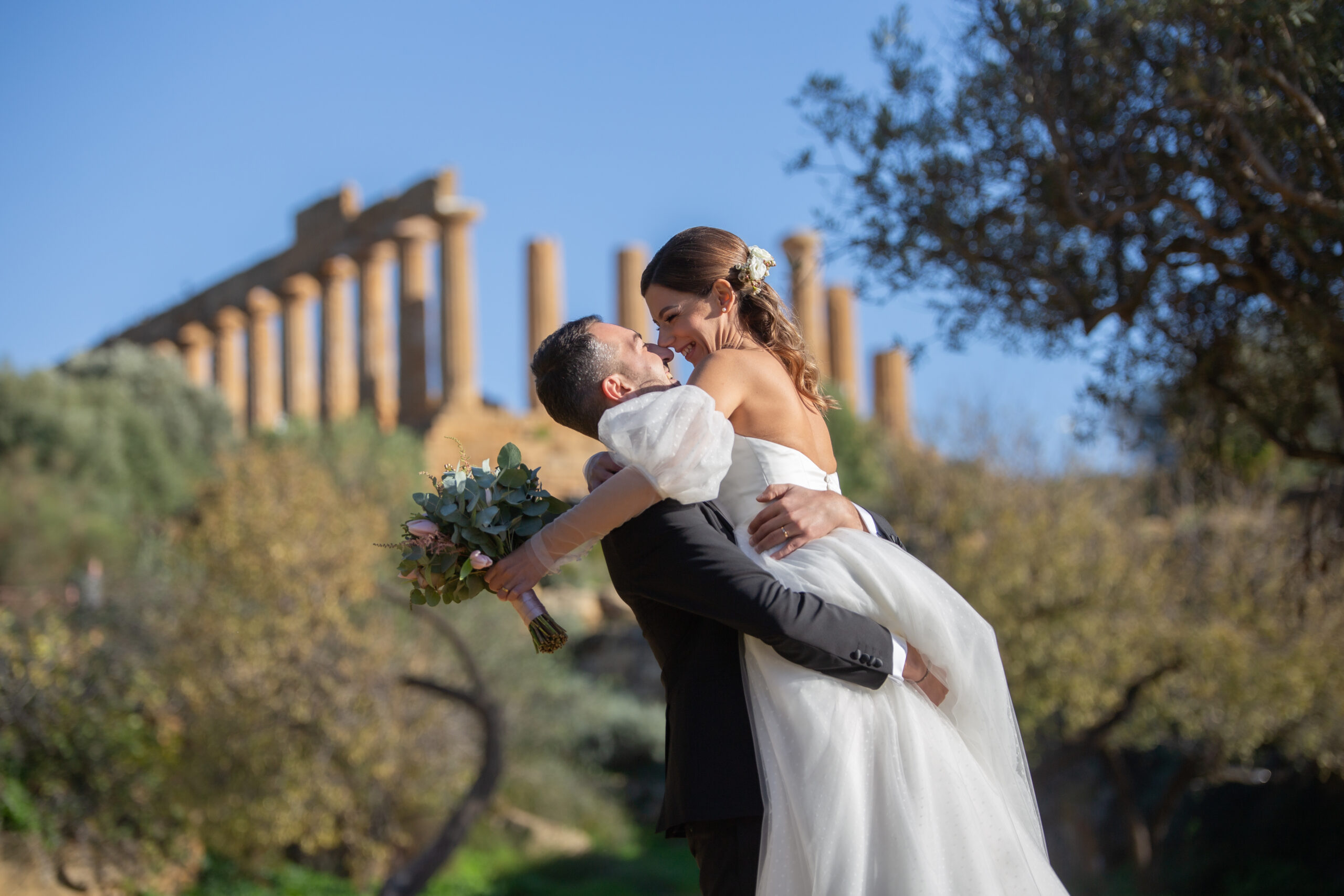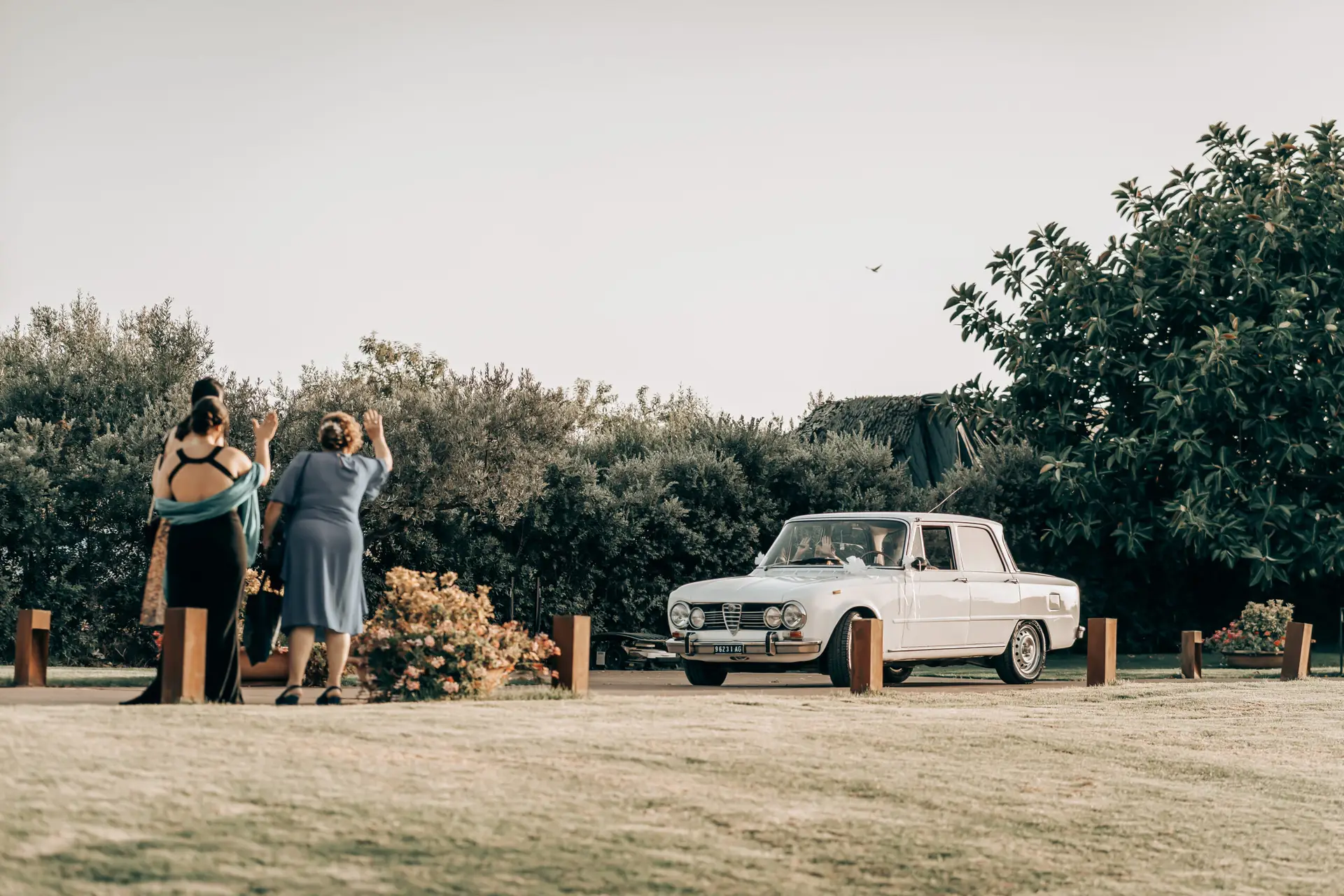
When you imagine your wedding photos, you want them to bring you back to that day: to the emotions, gestures, and the people around you. Wedding reportage exists for this reason. It documents the day as it unfolds, collecting sincere moments and details that, when put together, build the memory of your event.
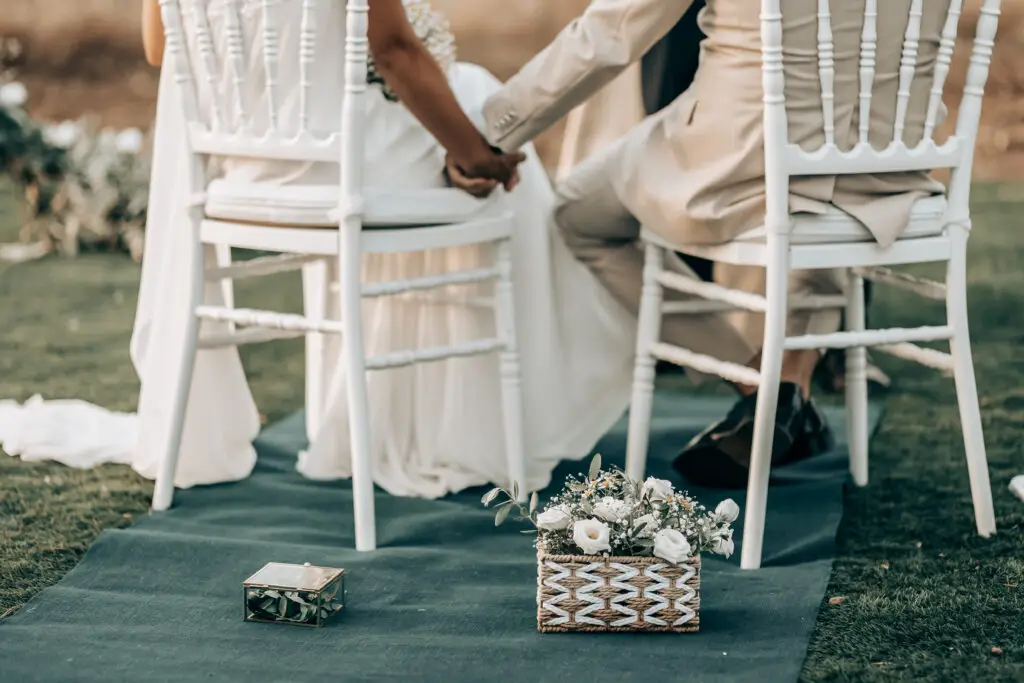
This approach also comes from a deep respect for the rhythm of the day, for unplanned pauses and moments of waiting that often tell more than what is immediately visible.
This guide clearly explains what reportage means, why it stands apart from posed photography, how the day unfolds when storytelling is the focus, and why Sicily offers ideal contexts for this approach.
Origins and Philosophy of Wedding Reportage
Reportage comes from documentary photography and photojournalism, where the value of an image is often tied to the so-called “decisive moment”: the instant in which light, gesture, and context come together to create an image that says more than words ever could. Applied to weddings, this principle means choosing not to construct the scene, but to capture it as it happens. It’s not about giving up aesthetics; it’s about seeking beauty where it naturally emerges, within relationships and in the small everyday details. Over time, this practice has become the preferred approach for couples who want to live their day without constant calls to look at the camera, and who desire an album that tells a story rather than a sequence of posed shots.
Reportage Versus Posed Photography: A Fundamental Difference
The difference between reportage and posed photography lies mainly in the relationship with control.
Posed photography requires time, instructions, and often the reconstruction of idealized scenes. This method produces refined images but fragmented ones: individual shots that work as isolated objects.
Reportage, on the other hand, prioritizes the flow of time. Photographs gain meaning when placed side by side, creating a narrative sequence that conveys the rhythm of the day. Years later, reportage images often feel more recognisable as that day because they are anchored to authentic gestures and reactions. If the most important memory for you is the experience itself, reportage provides an emotional coherence that is difficult to achieve with solely posed photography.
How the Wedding Unfolds When Reportage Is the Main Choice
Living a wedding day with a reportage approach means embracing the natural rhythm of the event. The focus is not on creating the perfect set, but on observing where emotions arise: during the preparations, in a whispered word during the ceremony, in an unexpected embrace after the exit. This does not exclude refined portraits; the couple’s session is often conceived as an intentional moment that can last from twenty minutes to a few hours, depending on the couple’s preferences and the light conditions. During that time, the goal is to create elegant portraits without falling into rigid poses, while preserving the natural feel of the story.
Aesthetic Balance: When to Use Editorial Accents
Even in reportage, aesthetics can be refined. In locations without a natural scenic backdrop, or when the couple wants more “editorial” images for certain pages of the album, it makes sense to integrate editorial accents in a targeted way. What matters is that these interventions remain rare and intentional, aimed at enhancing a few specific images rather than becoming the norm. Forcing poses or compositions where the light and context already provide atmosphere risks breaking the narrative coherence. Used wisely, editorial style becomes an added value that complements the story without overshadowing it.
Why Sicily Enhances Reportage Photography
In many areas of Sicily, Mediterranean light shifts throughout the day in ways that sculpt faces and spaces with expressive nuances. Landscapes — from sea-beaten cliffs to historic alleys, from sunlit countryside to ancient villas — offer rich and diverse natural backdrops that help build visual sequences without artificial setups. Sunsets often provide warm tones that make portraits striking even with a discreet approach. Additionally, family dynamics and the character of local communities tend to generate spontaneous emotional scenes — perfect elements for couples who want an album that captures people, relationships, and places all together.
What to Expect Throughout the Day
During the preparations, details emerge that reveal personality and affection: cherished objects, last-minute messages, gestures that usually escape posed storytelling. During the ceremony, discretion is key to capturing reactions and glances. Right after the exit, emotions are often at their peak — the true emotional climax of the ritual. The couple’s session is an opportunity to create more composed portraits without interrupting the natural flow of the day.
At the reception, the camera follows interactions and exchanges among guests, because these are the moments that define the character of the event and complete the story.
Limits and Choices: What to Consider Before Deciding
Choosing reportage means embracing a more natural and spontaneous vision of the wedding, where emotions and genuine moments take the place of constructed perfection. This approach requires reflection on your priorities: it’s essential to understand which images matter most, identify the people and moments that must appear in the album, and plan a few dedicated times for more formal portraits without compromising the spontaneity of the day.
With even minimal planning, and with proper attention to light and timing, you can achieve a balance that unites the freedom of living your day authentically with the certainty of having refined and meaningful images — capable of telling the story of your wedding as it truly was, with all the emotions, laughter, and spontaneous gestures that make it unique. In this way, the final album becomes not just a collection of images but a living, sincere testimony of an unrepeatable moment.