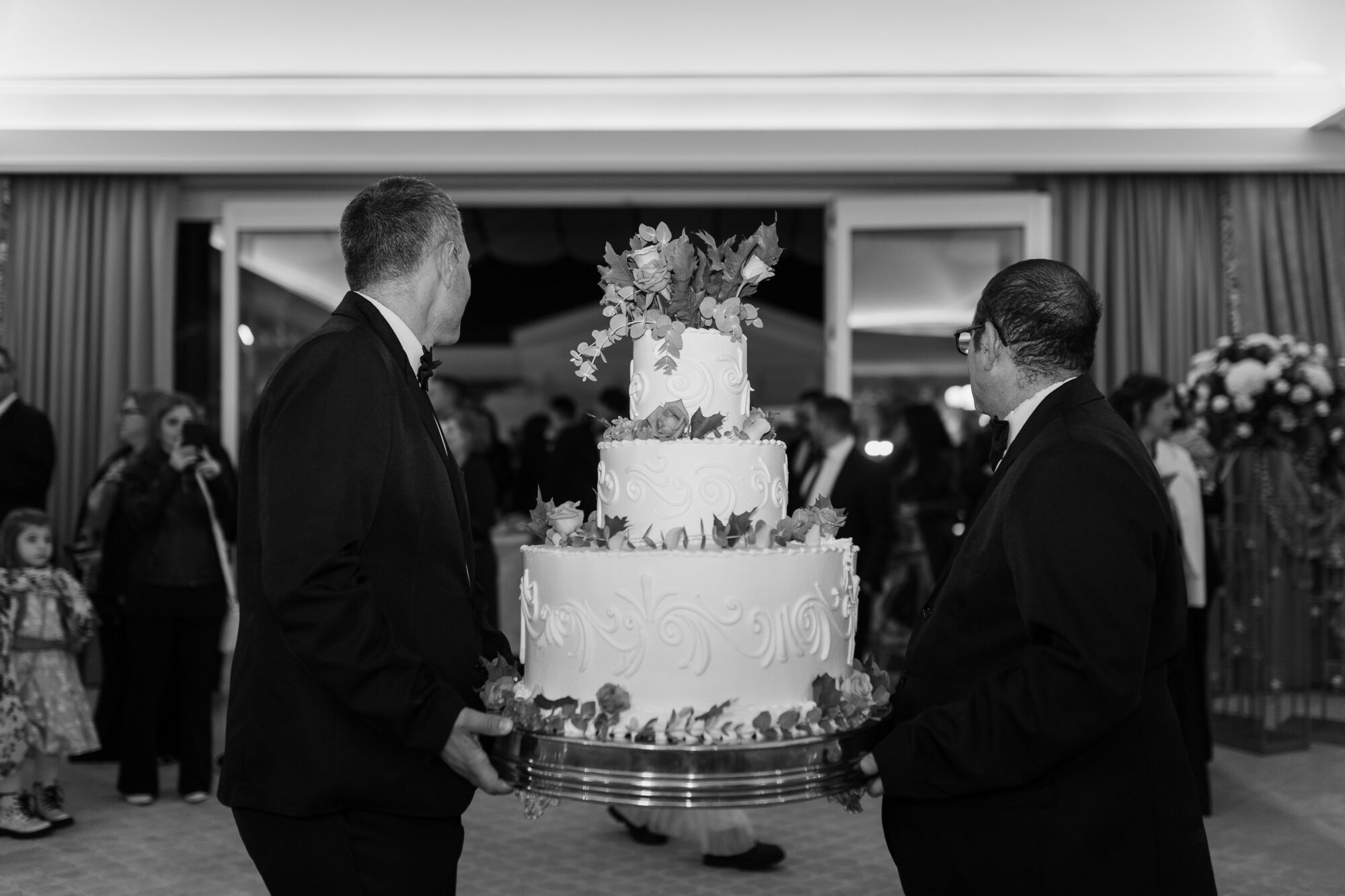
Two Ways of Looking at the Same Day
There is a subtle yet decisive difference between photographing a wedding and knowing how to read it.
It has little to do with trends or labels. It has everything to do with perspective: the quality of presence, the measure of intervention, and the respect for the natural rhythm of a day that will never happen again.
When talking about wedding photography, reportage and editorial approaches are often placed in opposition, as if they represented two incompatible choices. In reality, they are languages — different tools, with different intentions and tempos — that can coexist within the same narrative, as long as they are used with awareness.
Understanding this distinction is not about finding “the right style”. It is about clarifying a more meaningful question: what kind of experience do you want to live while those photographs are being made?
How a Wedding Day Is Observed
Every story begins with how one inhabits a moment.
With how a photographer moves through space, with how much room is left for events to unfold, and with the ability to wait rather than direct.
In a reportage approach, attention is focused on what happens without being prompted: pauses, small gestures, fleeting reactions, subtle relationships. The photographer does not prepare the scene — they stay close to it. The image is not anticipated; it is recognised when it reveals itself.
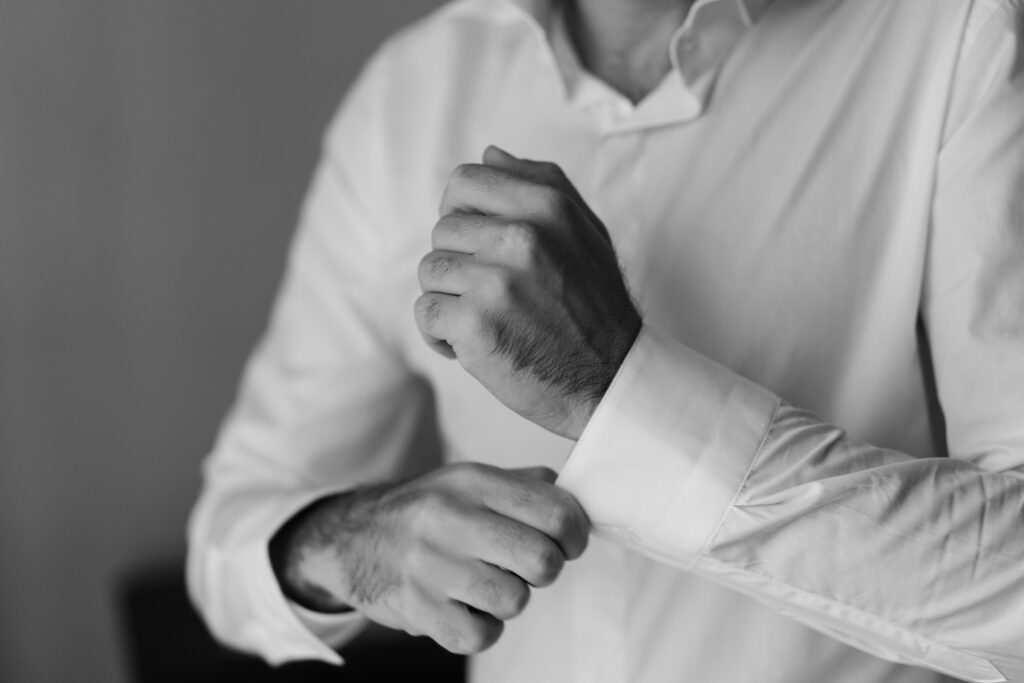
This way of working requires discretion, sensitivity, and the often underestimated ability to remain one step back without losing intensity. Images do not arise from instructions, but from the natural flow of the day. For this reason, every wedding told in this way is inherently unique.
When Images Emerge from What Happens
Some moments cannot be constructed or repeated.
They simply occur.
A glance exchanged without warning, an emotion crossing a face for a fraction of a second, a reaction that cannot be predicted. In these instances, photography should not impose itself. It should remain present without interrupting.
The value of the image lies precisely in having left the moment intact. Not a recreated scene, but a genuine trace; not an imposed form, but a memory that preserves atmosphere and connection.
This is why many couples are drawn to reportage wedding photography: it allows them to experience the day without feeling observed or directed. The camera becomes a discreet presence, accompanying rather than leading.
When the Image Is Constructed
There are, however, moments when the narrative can afford a pause — a more composed breath.
The editorial approach originates here: in a heightened attention to composition, clarity of form, and the relationship between subjects and space.
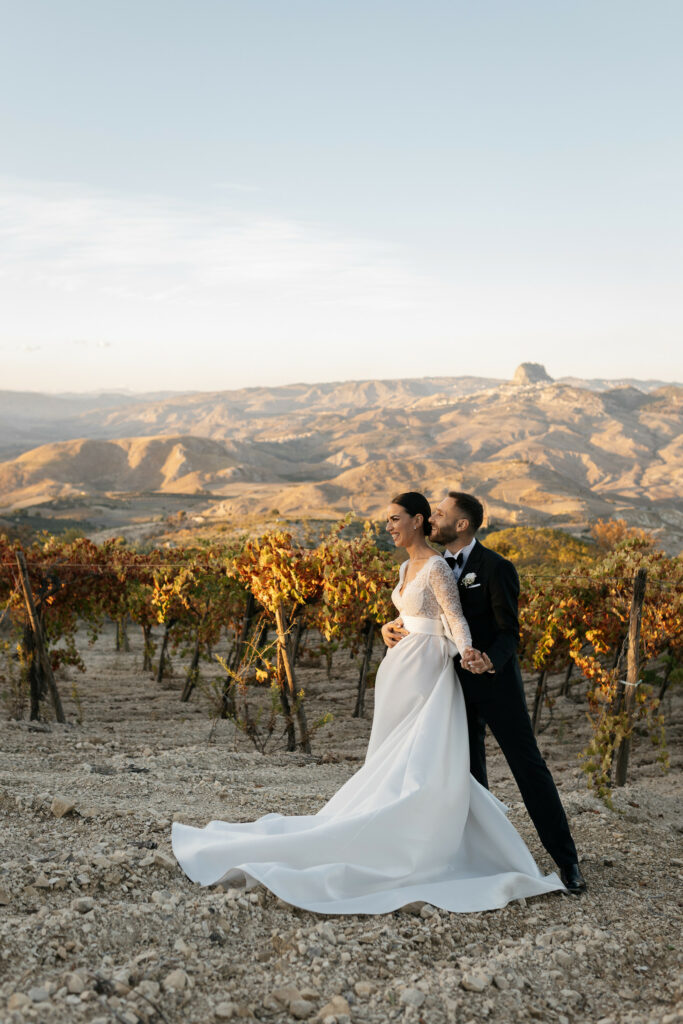
In a couple’s portrait, in a particularly favourable light, or within an environment that calls for visual restraint, this language can produce images that are clean, measured, and quietly precise. When used thoughtfully, editorial photography does not interrupt the story; it suspends it momentarily, offering a visual pause without replacing the day itself.
Balance Is Not a Formula
There is no ideal percentage between reportage and editorial photography.
No universal rule, no repeatable formula.
Balance emerges from listening: to the location, the light, the real timing of the day, and above all to the people involved. Some weddings unfold effortlessly and ask to be followed without interference. Others offer moments of calm in which a more structured image can naturally find its place.
The difference is not defined by a declared style, but by the rare ability to understand when to intervene and when to step aside. This is where technique gives way to storytelling.
When Context Makes the Difference
There are places where light, landscape, and atmosphere already play an active role in the narrative. In such settings, excessive intervention risks subtracting rather than adding. The context is already speaking.
In Sicily, wedding photography often finds a natural equilibrium in the quality of light, the variety of landscapes, and a rhythm that tends to be more expansive and unhurried. The location is not a backdrop, but a presence — one that interacts with people and with what unfolds around them.
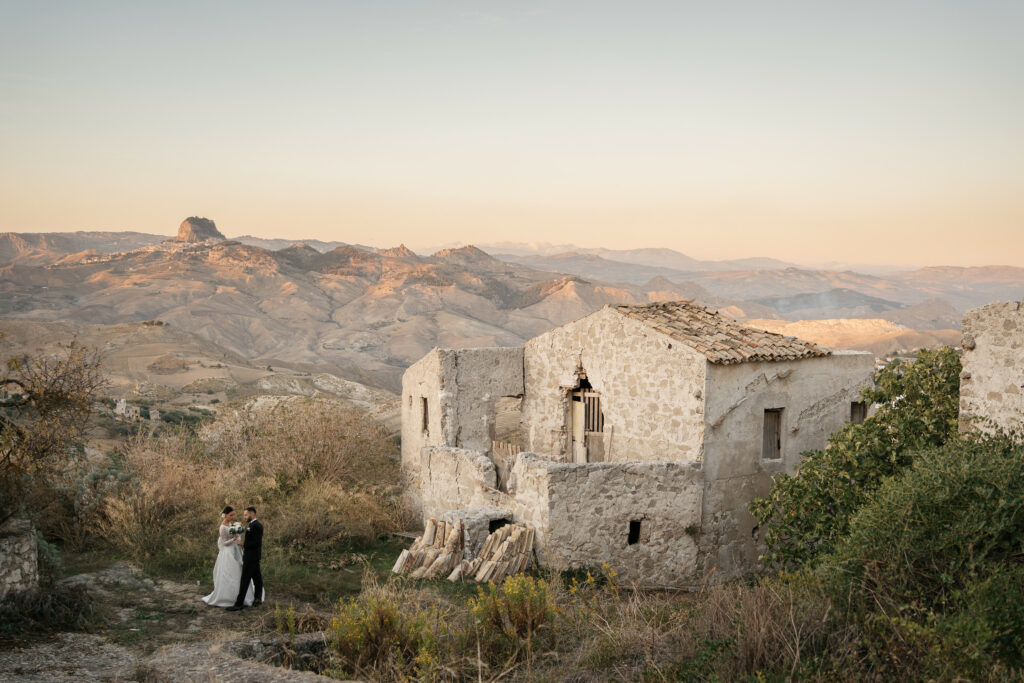
Here, balance becomes a matter of measure: allowing places and relationships to express themselves, without imposing a form that does not belong to that moment.
What Truly Matters When Choosing
Rather than asking which style is “better”, it may be more meaningful to consider how you wish to remember that day.
Through guided, carefully constructed images, or through a narrative that leaves room for unpredictability. With a visible presence, or with a quieter, more discreet gaze.
Reportage and editorial photography are not labels to adopt, but languages to understand. The right photographer is not the one who applies a style, but the one who can read what is happening and choose, with restraint, when to intervene and when to step back.
Ultimately, the most important choice is not about photographs. It is about the experience you want to live while those photographs come into being.